Free toolkit, insight brief, and testing materials developed with five business support organizations and support from PayPal offer a practical framework for AI-assisted advising.
WASHINGTON, D.C. — The Association for Enterprise Opportunity (AEO) today announced the release of free, openly licensed resources to help business support organizations and community development financial institutions (CDFIs) explore the responsible use of artificial intelligence in advising entrepreneurs. The release includes the Responsible AI Advising Toolkit, an insight brief titled Getting AI Right in Business Advising, and a public GitHub repository of reusable prompts and evaluation materials. The work was developed with support from PayPal.
Why it matters
Small business owners increasingly turn to AI for business plans, research, and everyday decisions. As AI changes how entrepreneurs seek support, advisors face a new challenge: using these tools without sacrificing the relationships, local knowledge, and professional judgment that make advising effective. AEO’s testing found that an AI assistant can conduct a natural-sounding conversation and still produce an incomplete or misleading handoff for an advisor.
AEO’s new resources focus on that gap. Rather than offering a single AI product, they give organizations a tested framework for deciding where AI belongs in advising, how to try it safely, and how to tell whether it actually helps advisors and the entrepreneurs they serve.
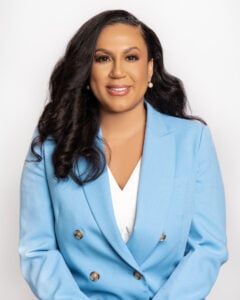
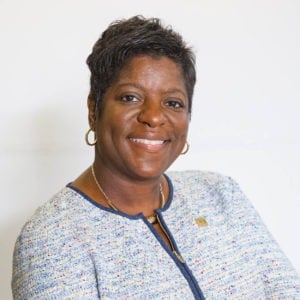
“Good business advising depends on relationships, local knowledge, and understanding the person behind the business,” said Natalie Madeira Cofield, President and CEO of AEO. “AI creates new opportunities to strengthen that work, but we have to make sure these tools are accurate, accessible, and worthy of trust. By sharing what we’ve learned, we’re helping organizations shape approaches that work for the entrepreneurs and communities they serve.”
What AEO is releasing
- Responsible AI Advising Toolkit: Practical guidance for organization leaders and frontline advisors, including adaptable prompts, evaluation rubrics, privacy and consent guidance, safeguards, and methods for reviewing AI-generated advisor summaries.
- Getting AI Right in Business Advising: An insight brief presenting five lessons from practitioner-led testing and a practical path for organizations exploring AI in their services.
- Public GitHub repository: Reusable prompts, test scenarios, evaluation materials, and scripts that organizations can review, adapt, and improve.
All resources are free to use and adapt. Written materials are licensed under Creative Commons Attribution 4.0 (CC BY 4.0), while accompanying software code is released under the MIT open-source license.
Built and tested with practitioners
The resources grew out of AEO’s effort to redesign its Business Health Assessment (BHA), which helps entrepreneurs and advisors identify business strengths, challenges, and priorities for support. Five practitioners from The Acceleration Project, Detroit Economic Growth Corporation, Northern Maine Development Commission, Uptima Entrepreneur Cooperative, and the St. Louis Small Business Empowerment Center helped test and refine an AI-enabled version.
Their contributions went beyond evaluating the technology: they redesigned questions, improved advisor summaries, and pushed on safeguards. AEO also ran 124 AI-simulated conversations to evaluate accuracy, completeness, conversation length, and boundaries on inappropriate advice. The work revealed important tradeoffs: better handoffs sometimes required longer conversations, and missing information remained a concern.
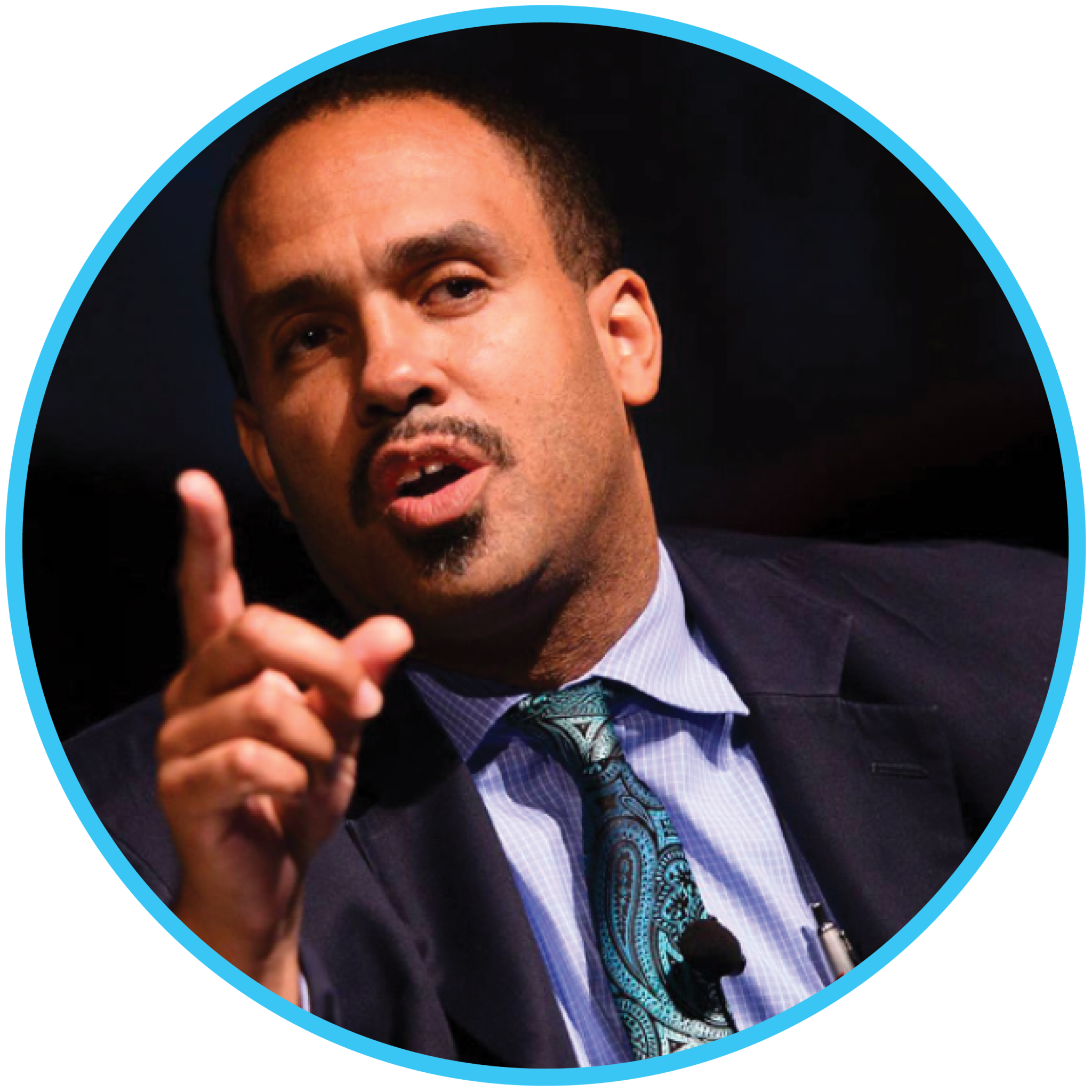
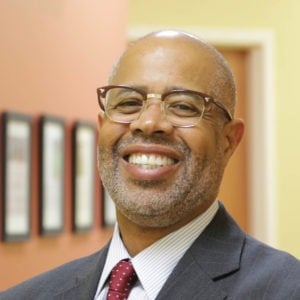
“Our clients are coming in using AI to write business plans and strategies, and we haven’t seen demand for one-on-one counseling go down,” said Kevin Wilson, Executive Director of the St. Louis Small Business Empowerment Center. “The human connection is still needed. Advisors need deep knowledge and wisdom to help guide small business owners as they’re using AI.”
PayPal partnership
“AI is moving fast, and small business owners are eager to put it to work,” said Marcy Scott Lynn, Head of Social Impact & Sustainability, PayPal. “They need practical training and trusted guidance to do it well. That’s why PayPal is proud to partner with AEO to support the business advisors small businesses rely on, advancing our 2030 goal to support 25 million people and small businesses with the resources, skills, and training they need to thrive in the digital economy.”
Resources and next steps
The toolkit, insight brief, and supporting materials are available at research.aeoworks.org/publications/responsible-ai-advising and github.com/aeoworks-research/responsible-ai-advising. AEO invites business support organizations to explore the resources, adapt them to their own workflows, and share feedback to inform future testing.
The release follows AEO’s October 29 From Intake to Insight webinar, which brought together practitioner perspectives on the opportunities and limits of AI in business support.
Media Contact
communications@aeoworks.org