
AEO Statement on Proposed Changes to the Community Reinvestment Act
WASHINGTON, D.C. — October 13, 2026
The Association for Enterprise Opportunity (AEO) today expressed concern regarding proposed changes to the Community Reinvestment Act (CRA) regulations issued by the Office of the Comptroller of the Currency (OCC) and Federal Deposit Insurance Corporation (FDIC).
The proposed rule would make substantive changes to the existing CRA framework, including raising certain bank asset thresholds and modifying how community development activities and grants receive CRA consideration. The agencies have stated that the proposal is intended, in part, to provide greater regulatory clarity, reduce unnecessary burden, and refocus CRA implementation on meeting community credit needs.
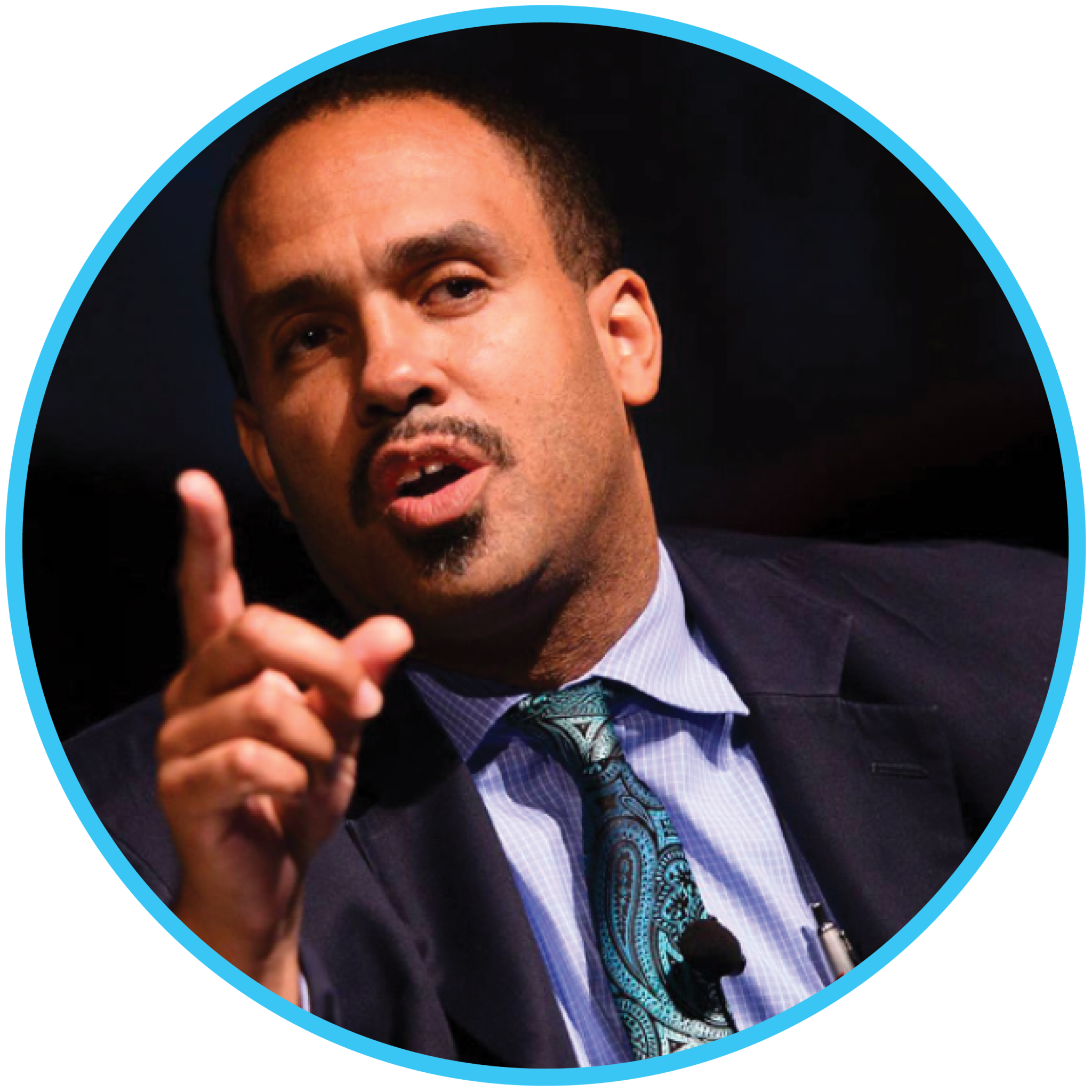
In response, Natalie Madeira Cofield, President and CEO of the Association for Enterprise Opportunity, issued the following statement:
“For nearly five decades, the Community Reinvestment Act has represented an important commitment to ensuring that our financial system supports economic opportunity and investment in communities across America.
For the small business ecosystem, that commitment remains essential. Entrepreneurs do not experience the financial system solely through traditional bank lending. They rely on an interconnected infrastructure of community banks, Community Development Financial Institutions, nonprofit lenders, business-support organizations, technical-assistance providers, and other institutions that help transform access to capital into sustainable businesses, jobs, and stronger local economies.
AEO recognizes the importance of regulatory clarity and ensuring that compliance requirements are appropriate and workable for financial institutions, particularly smaller community banks. At the same time, regulatory efficiency should not come at the expense of meaningful community investment. As regulators consider changes to CRA, we must ensure that reducing burden for one part of the financial system does not inadvertently reduce the capital, partnerships, and institutional capacity available to small businesses and the communities they serve.
We are particularly concerned about changes that could weaken incentives for community development investment or make it more difficult for financial institutions to partner with organizations that provide both financing and the infrastructure necessary to deploy that capital effectively.
Capital alone does not build a successful small business. Entrepreneurs also need trusted guidance, financial education, technical assistance, market connections, and institutions with deep knowledge of their communities. Those services require organizational capacity. A regulatory framework that does not adequately recognize the importance of capacity risks weakening the infrastructure necessary to turn investment into measurable economic outcomes.
This is particularly consequential at a time when small businesses are navigating higher operating costs, technological disruption, changing credit conditions, supply-chain pressures, and an increasingly complex economic environment. The smallest firms and entrepreneurs operating in communities with fewer conventional financing options often depend most heavily on a strong network of community-based financial and business-support institutions.
Regulatory efficiency and strong community investment should not be competing objectives. We believe it is possible to establish a CRA framework that provides financial institutions with greater clarity and predictability while preserving meaningful incentives to invest in small businesses, local economies, and the organizations that help entrepreneurs succeed.
AEO encourages regulators to engage closely with financial institutions, Community Development Financial Institutions, small business organizations, community-based partners, entrepreneurs, and other stakeholders as this proposal moves forward. A durable CRA framework should reflect how capital actually reaches communities and how small businesses access the financing and support necessary to grow.
Ultimately, the measure of any changes to the Community Reinvestment Act should be straightforward: Will they expand responsible access to capital, strengthen local financial infrastructure, and create greater economic opportunity for entrepreneurs and communities across America?
AEO looks forward to reviewing the proposal further and engaging with our partners and the broader small business ecosystem throughout the public comment process.”
Why This Matters for Small Businesses
The Community Reinvestment Act has implications extending beyond direct bank lending. It helps shape incentives for financial institutions to participate in community development financing and partnerships that support small business lending, economic development, housing, community facilities, and other investments that contribute to economically sustainable communities.
The proposed rule would increase the small-bank asset threshold from $412 million to $1 billion and establish $10 billion as the upper threshold for intermediate banks, among other changes. The agencies describe these revisions as part of an effort to provide regulatory relief and simplify CRA requirements.
The proposal would also change the treatment of certain community development grants, including requirements affecting how qualifying grants and associated organizational costs are evaluated. These provisions warrant careful examination because community-based organizations frequently require both investment capital and operating capacity to effectively deliver financing, technical assistance, and other services to small businesses.
For AEO and the broader small business ecosystem, the central question is therefore not simply how CRA compliance is measured. It is whether the resulting framework continues to encourage meaningful investment in the institutions and partnerships that connect entrepreneurs to capital and opportunity.